






Description
Custom Pastry Boxes That Put Your Baked Creations First
Your pastries deserve packaging that reflects the care behind every recipe. Whether you sell buttery croissants, glazed Danish pastries, delicate mille-feuille, or seasonal fruit tarts, a thoughtfully designed box helps you present them with confidence. Custom Pastry Boxes bring your products and branding together, creating a coordinated look from the bakery counter to the customer’s table.
A well-planned Custom Pastry Box does more than hold a sweet treat. It gives you space to tell your brand story, organize individual portions, and create a presentation suited to the occasion. A simple kraft-style carton can complement an artisan bakery, while a printed window box can showcase a colorful pastry assortment. For gifts and celebrations, a more structured presentation can make the purchase feel extra special.
Build your packaging concept around the pastries you sell, the way customers carry them, and the impression you want your business to leave.
Pastry Packaging Designed Around Your Products
Different pastries need different amounts of space. A tall cream-filled pastry may need extra lid clearance, while a glazed tart may benefit from a fitted insert that limits movement. Packaging dimensions should account for the finished product, including toppings, decorations, liners, and any separate compartments.
Choose Pastry Boxes for single servings, small assortments, sharing packs, or larger orders. A close-fitting box can create a neat presentation, but it should not press against delicate edges or toppings. For mixed selections, dividers or individual cavities can help keep each pastry in its intended position.
Coordinate your pastry range with Custom bakery Boxes for cookies, cakes, muffins, and other baked goods. A shared color palette, logo placement, and design style can make different product lines feel like one recognizable collection.
Custom Pastry Boxes with Logo for a Consistent Brand Experience
Turn a plain package into a recognizable part of your business with Custom Pastry Boxes with logo. Place your branding on the lid, front panel, side panels, or inside the box to create a design that works from several viewing angles.
Your artwork can include more than a logo. Add your bakery name, a short brand message, social media details, product information, or a QR code linked to your menu. Seasonal patterns and limited-edition designs can also help distinguish holiday collections, event orders, and promotional assortments.
Keep the visual hierarchy clear. Let your logo lead, give important product information enough space, and use decorative details to support rather than overwhelm the design. If you already use Custom Food Packaging for other menu items, carry the same visual identity across your pastry range for a coordinated presentation.
Pastry Box Styles and Their Uses
The right structure depends on how your pastries are displayed, packed, transported, and presented. Use the following styles as a starting point when planning your packaging.
| Box style | Design features | Suitable applications | Material options to discuss |
|---|---|---|---|
| Tuck-end box | Folding carton with tuck-in closure panels | Everyday pastry sales and individual portions | Paperboard, kraft paperboard, suitable coated board |
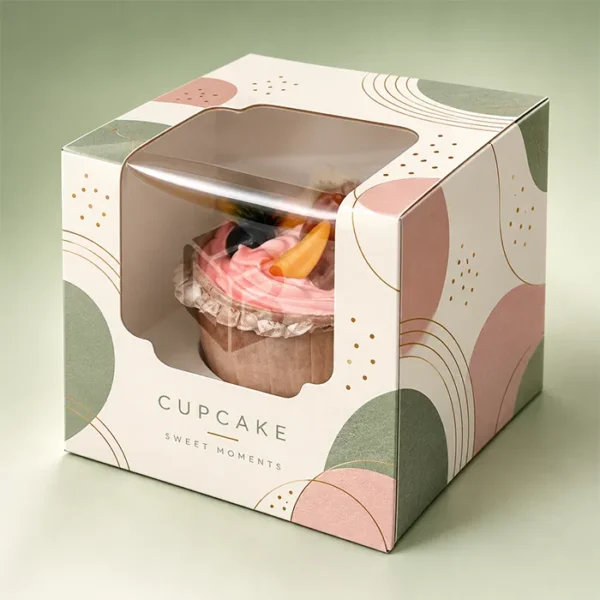
| Window pastry box | Viewing panel in the lid or front | Assortments and pastries intended for visual display | Paperboard with an appropriate window film |
| Auto-lock bottom box | Pre-glued base that locks into place during assembly | Busy packing stations and takeaway orders | Suitable paperboard grades |
| Tray-and-sleeve box | Inner tray with a printed outer sleeve | Pastry collections and gift presentations | Paperboard or suitable rigid-board constructions |
| Two-piece lid-and-base box | Separate lid and bottom tray | Premium assortments and celebration gifts | Paperboard or wrapped rigid board |
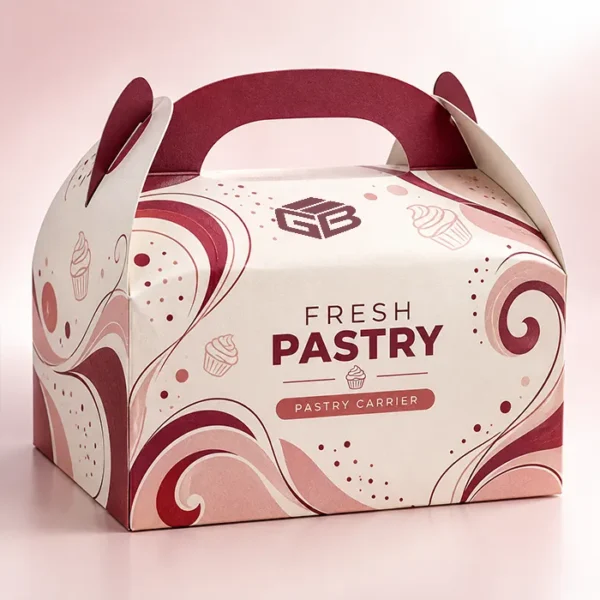
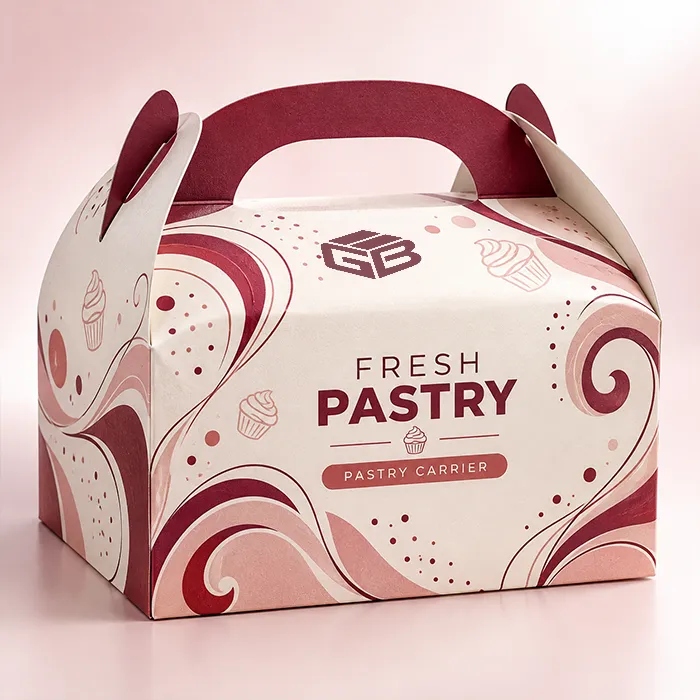
| Gable box | Top closure with an integrated carrying handle | Takeaway treats, favors, and small gift sets | Suitable paperboard or lightweight corrugated board |
| Handled pastry box | Box structure with a carrying feature | Larger assortments and customer pickup orders | Reinforced paperboard or suitable corrugated board |
| Divider box | Internal sections that separate products | Mixed pastries and individually arranged servings | Paperboard carton with compatible divider material |
| Corrugated pastry box | Fluted board construction | Larger orders or secondary transport packaging | E-flute, B-flute, or another specified corrugated grade |
A window is useful when product visibility is part of the presentation, while a fully printed lid provides more uninterrupted branding space. For larger orders, consider how the closure, base, and handle work together rather than choosing a style on appearance alone.
Suggested Pastry Box Sizes
Start with the dimensions of your actual products, then allow for liners, inserts, toppings, and handling clearance. The measurements below are illustrative planning options—not confirmed stock sizes or guaranteed capacities.
| Suggested internal size, L × W × H | Possible application | Style to consider |
|---|---|---|
| 4 × 4 × 2.5 inches | One small pastry or individual tart | Tuck-end or window box |
| 6 × 4 × 3 inches | An elongated pastry or small selection | Folding carton or tray-and-sleeve |
| 6 × 6 × 3 inches | A compact pastry assortment | Window or tuck-end box |
| 8 × 6 × 3 inches | A small sharing selection | Window box with optional divider |
| 8 × 8 × 4 inches | A mixed assortment needing more clearance | Lid-and-base or reinforced folding box |
| 10 × 10 × 4 inches | A larger pastry collection | Window or two-piece box |
| 12 × 8 × 4 inches | An assorted takeaway order | Handled or reinforced box |
| 14 × 10 × 4 inches | A larger presentation or catering arrangement | Corrugated or reinforced tray-style box |
Actual capacity depends on pastry dimensions and layout. Confirm internal measurements, material thickness, and sample fit before approving production.
Material Options for Custom Pastry Packaging
Material selection affects the appearance, structure, printing, and intended use of your box. Rather than choosing by color or thickness alone, consider product weight, grease exposure, moisture, storage conditions, and whether the pastry will touch the packaging directly.
Paperboard and Folding Carton Materials
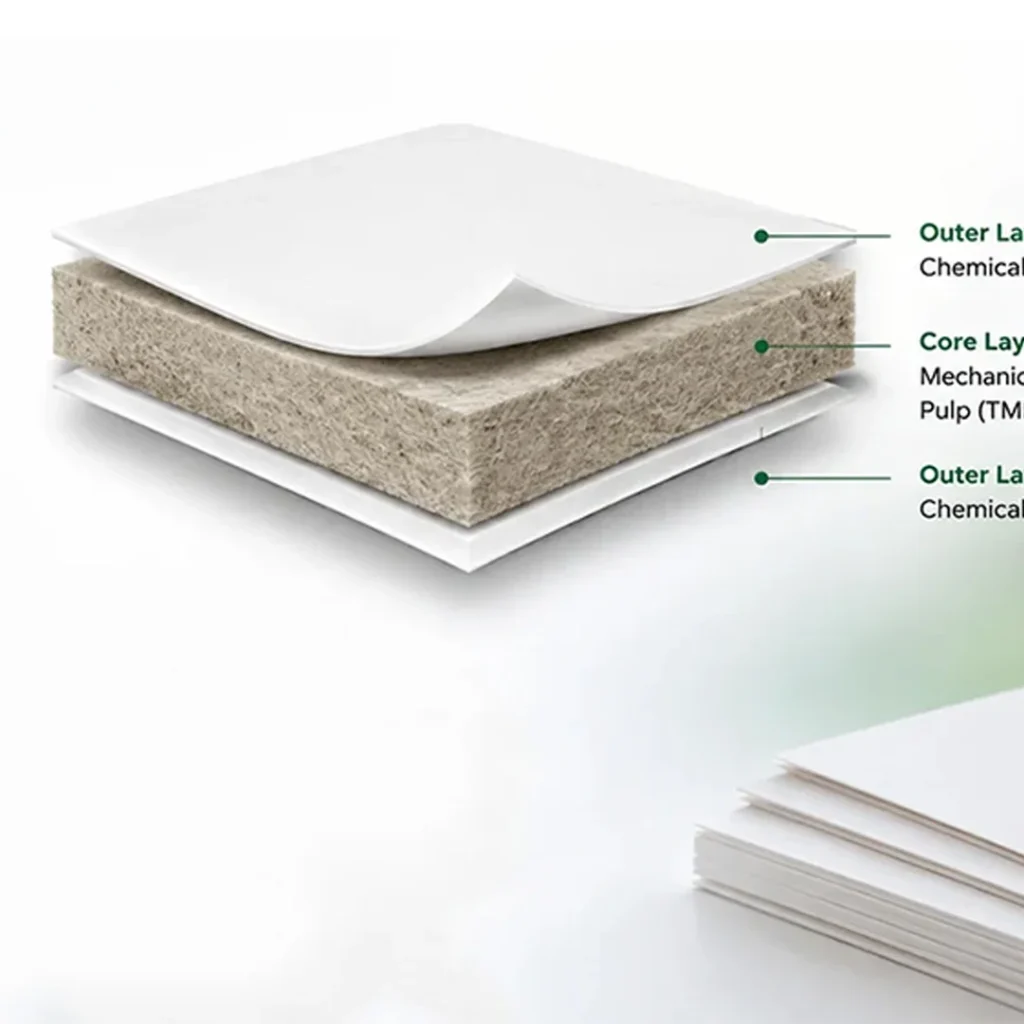
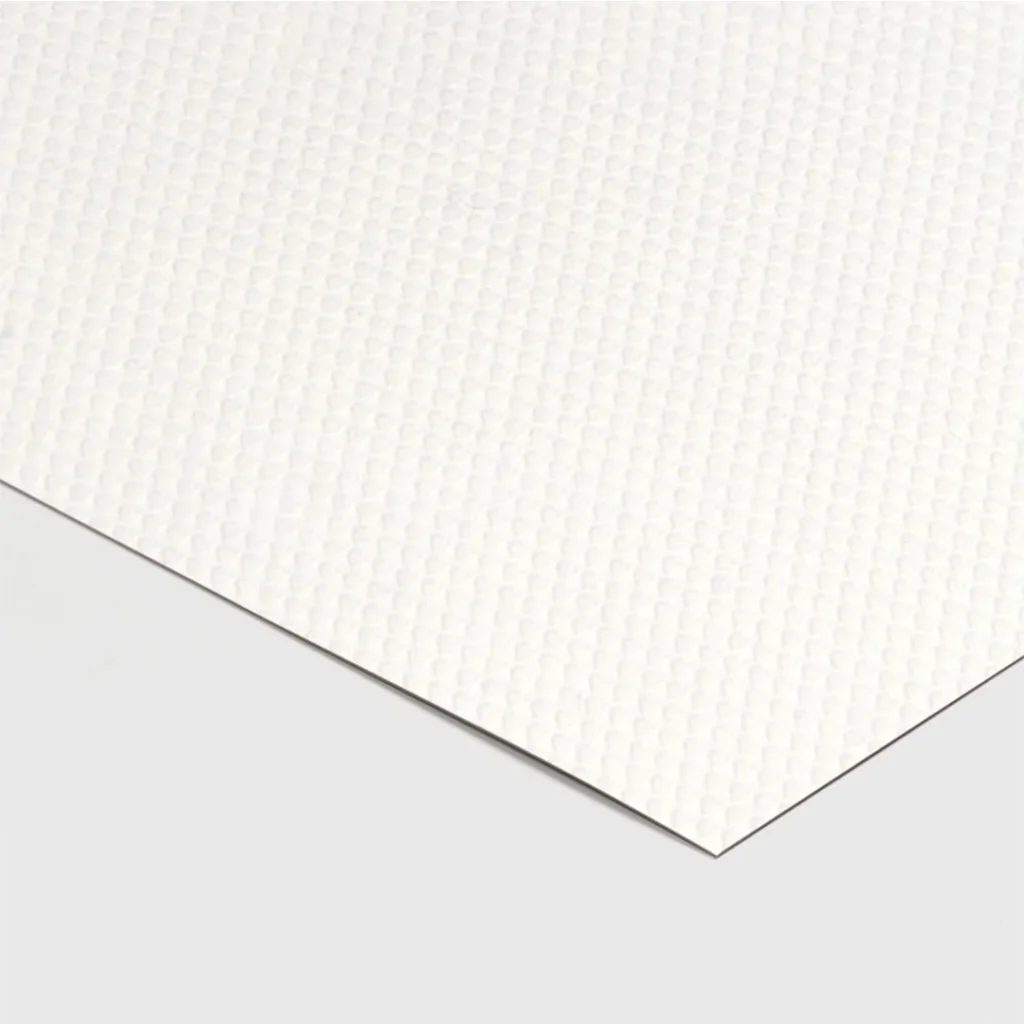
Paperboard is a category to consider for printed folding pastry cartons. Options to discuss include solid bleached sulfate, often called SBS; folding boxboard, or FBB; and coated unbleached kraft, sometimes called CUK or SUS. These grades differ in construction and surface appearance, so the final choice should match the structure, print design, and application.
A white print surface can suit colorful graphics and detailed branding. An unbleached or kraft appearance can support a simpler visual style. Neither appearance alone establishes food-contact suitability or environmental performance.
Kraft Paperboard
Kraft paperboard can create a natural-looking presentation for artisan pastries, breakfast selections, and takeaway treats. Use it with restrained typography, simple illustrations, or a contrasting logo to build a distinctive design.
Specify the required strength, coating, and food-contact conditions rather than treating every kraft board as interchangeable. Brown coloring does not, by itself, mean a package is recycled, recyclable, or compostable.
Recycled Paperboard
Recycled-content paperboard may be considered where its specifications suit the packaging application. Depending on the construction and intended contact, a suitable liner or barrier may be needed.
If recycled content is part of your packaging message, confirm the percentage and supporting documentation before printing that claim on the box.
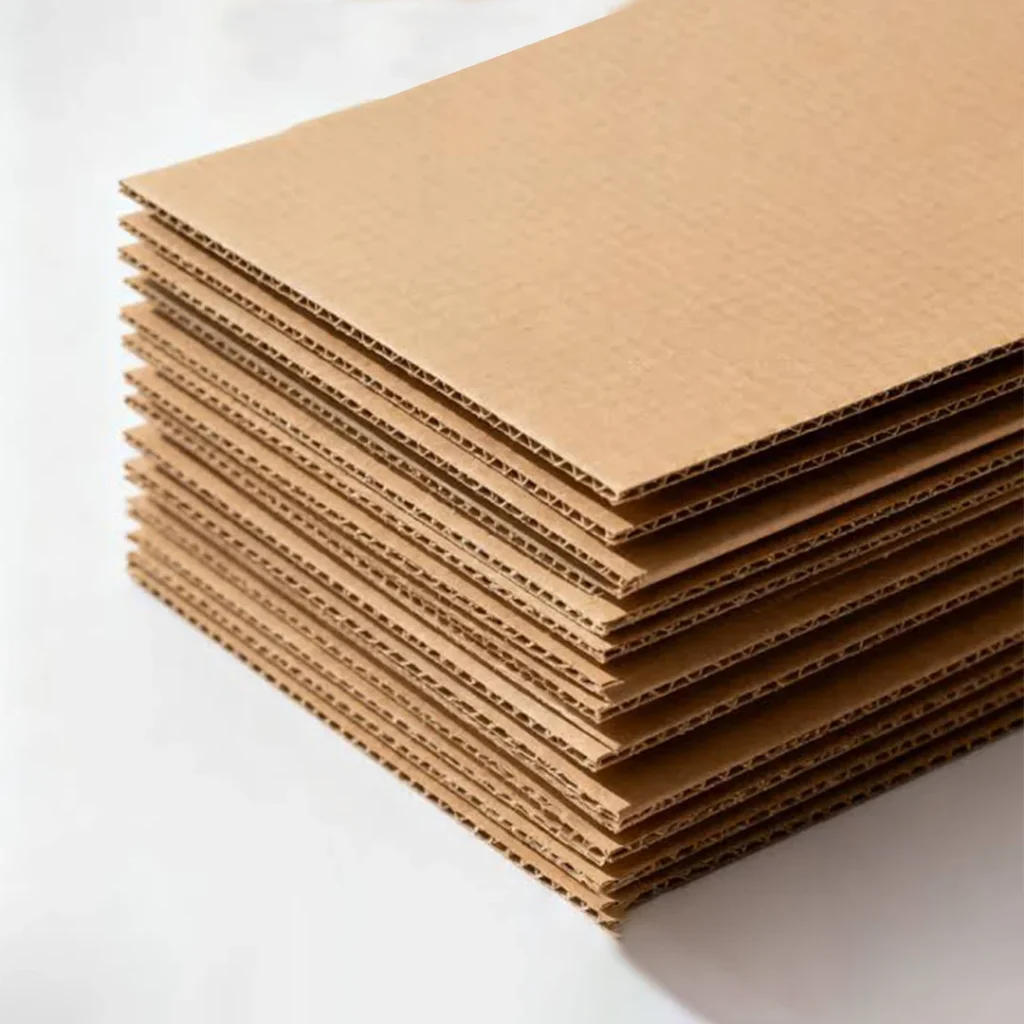
Corrugated Board
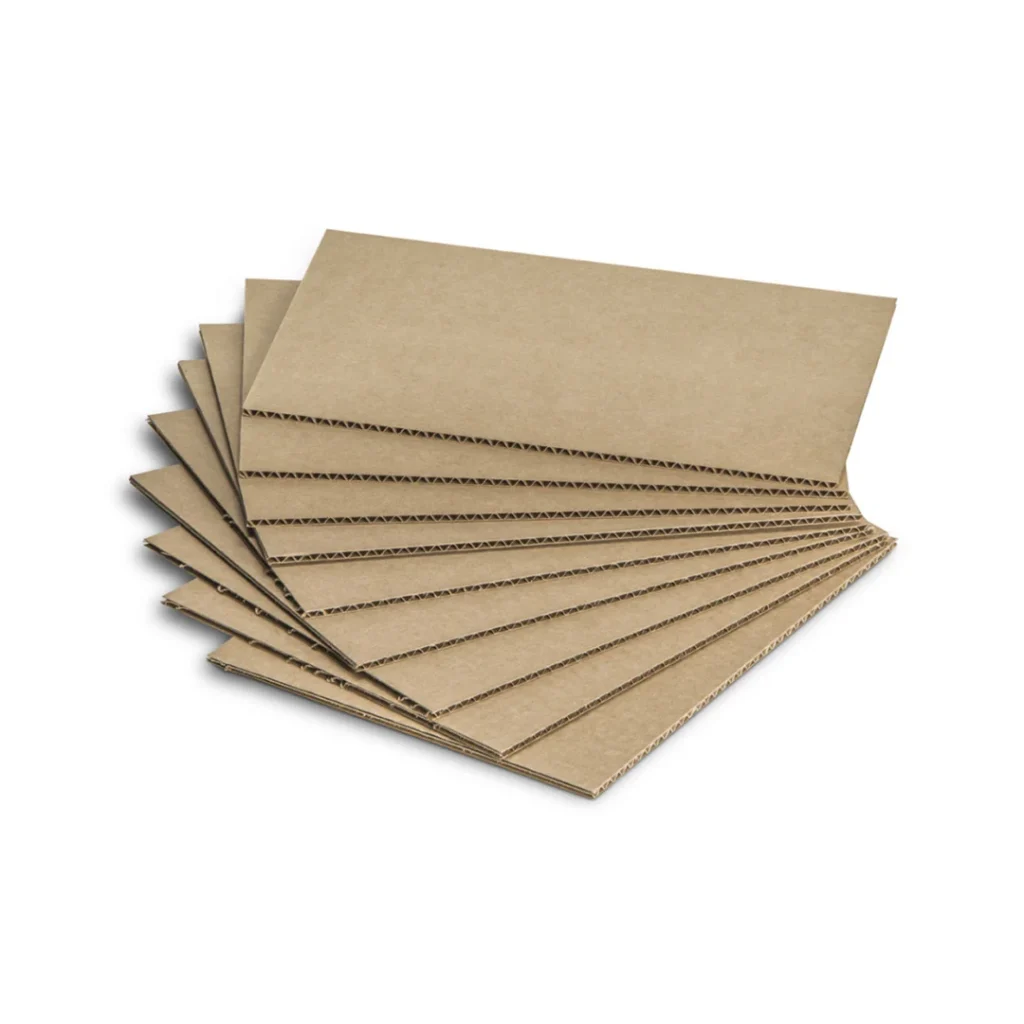
Corrugated board uses a fluted layer between liner sheets. It is a material option to discuss for larger pastry orders, heavier assortments, and outer transport packaging.
The flute profile and board specification should be chosen for the actual load and handling conditions. Corrugated construction alone does not guarantee that delicate pastries will arrive undamaged; box fit and internal support also matter.
Rigid Board
Wrapped rigid board can be considered for premium gift presentations and structured pastry collections. Its format lends itself to separate lids, fitted trays, and presentation sleeves.
Where food is placed inside a rigid box, specify an appropriate food-contact tray, liner, or other suitable separation system.
Liners, Inserts, Windows, and Barrier Materials
A complete packaging design may use several materials beyond the outer box. Depending on the product and application, these can include grease-resistant paper, parchment liners, paper baking cups, paperboard dividers, molded-fiber inserts, and suitable window films.
Window options may include PET, cellulose-based films, or other specified materials. Their food-contact status, performance, and disposal requirements must be checked for the intended use. Likewise, coatings and laminations should be selected around the required grease or moisture resistance—not added solely for appearance.
Discuss the complete material construction, including inks, adhesives, coatings, windows, and liners. Request documentation appropriate to the intended food-contact use, and avoid treating general terms such as “food-grade” or “eco-friendly” as a substitute for specific information.
Printing and Finishing Options
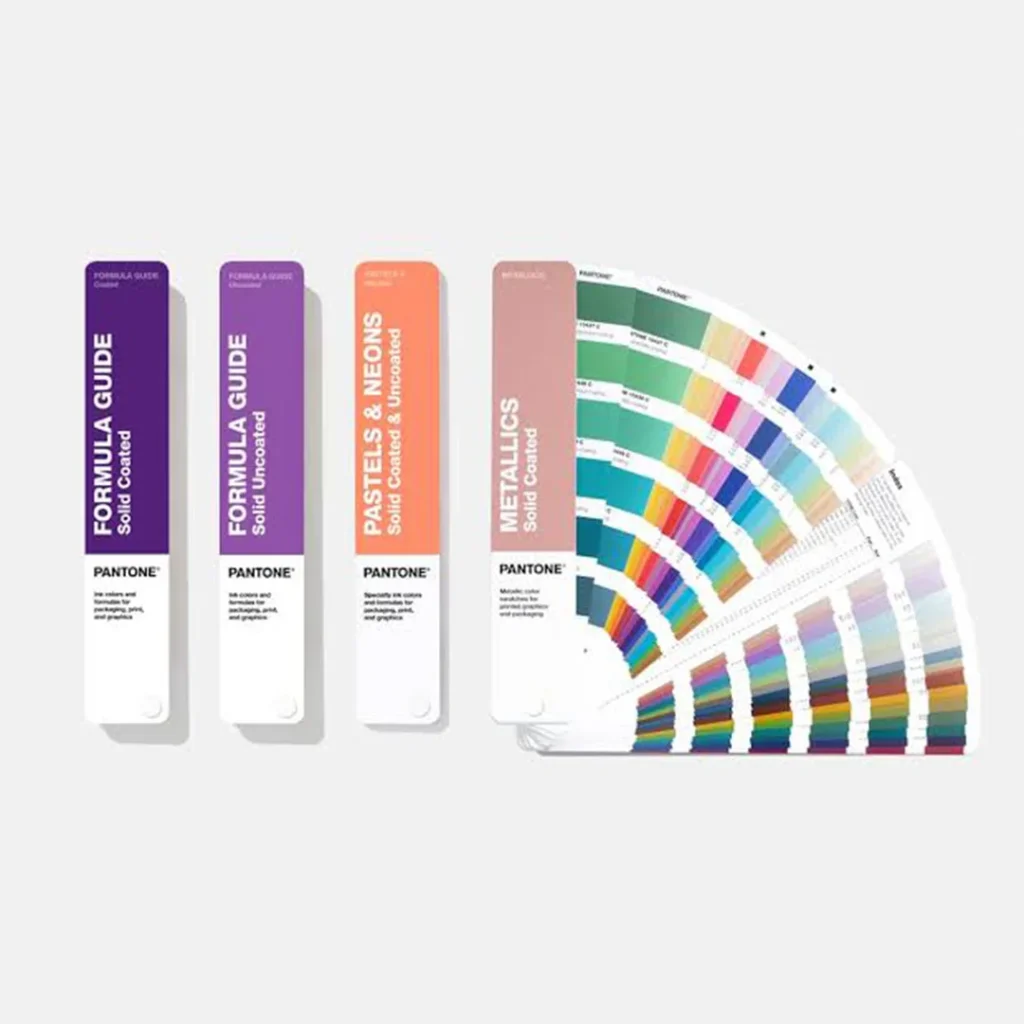
Build a design that reflects your bakery’s personality. Full-color artwork can support illustrated patterns and seasonal collections, while a limited-color design can create a clean, understated appearance.
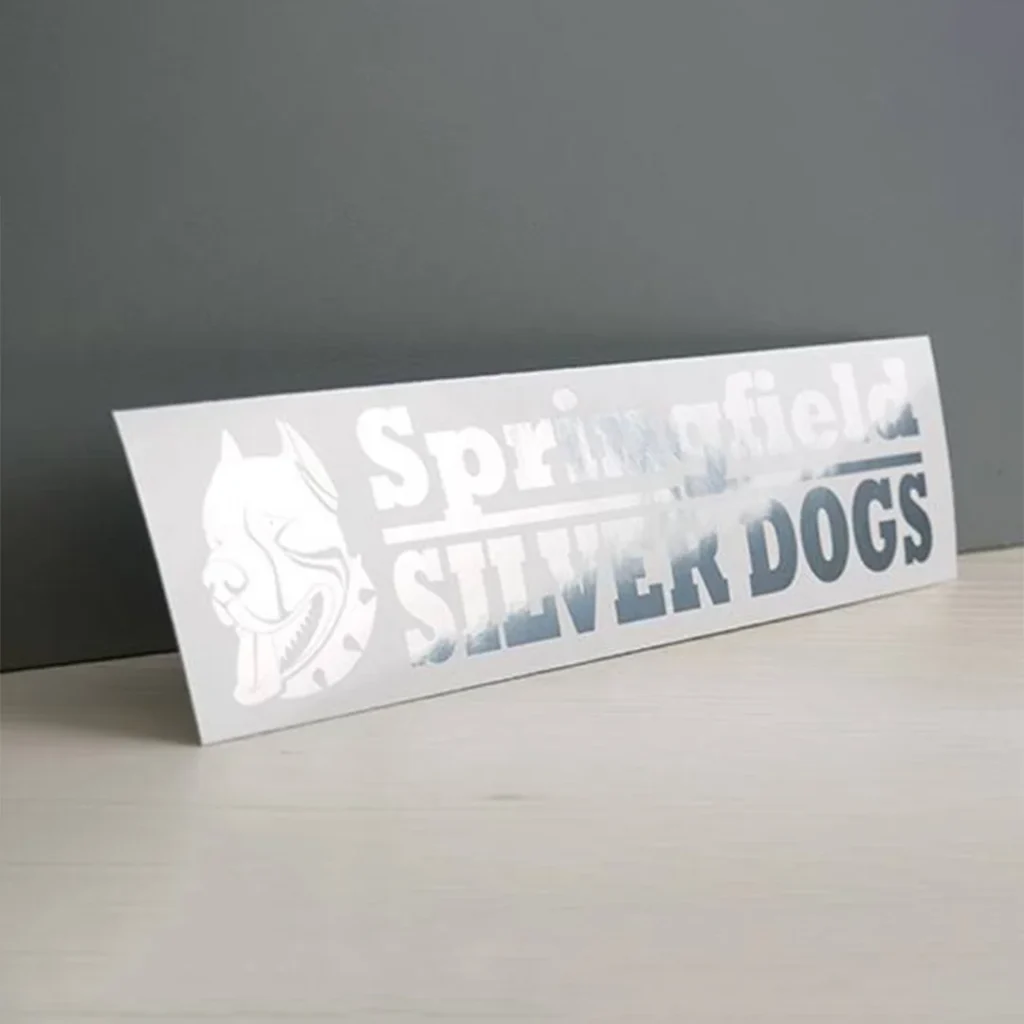
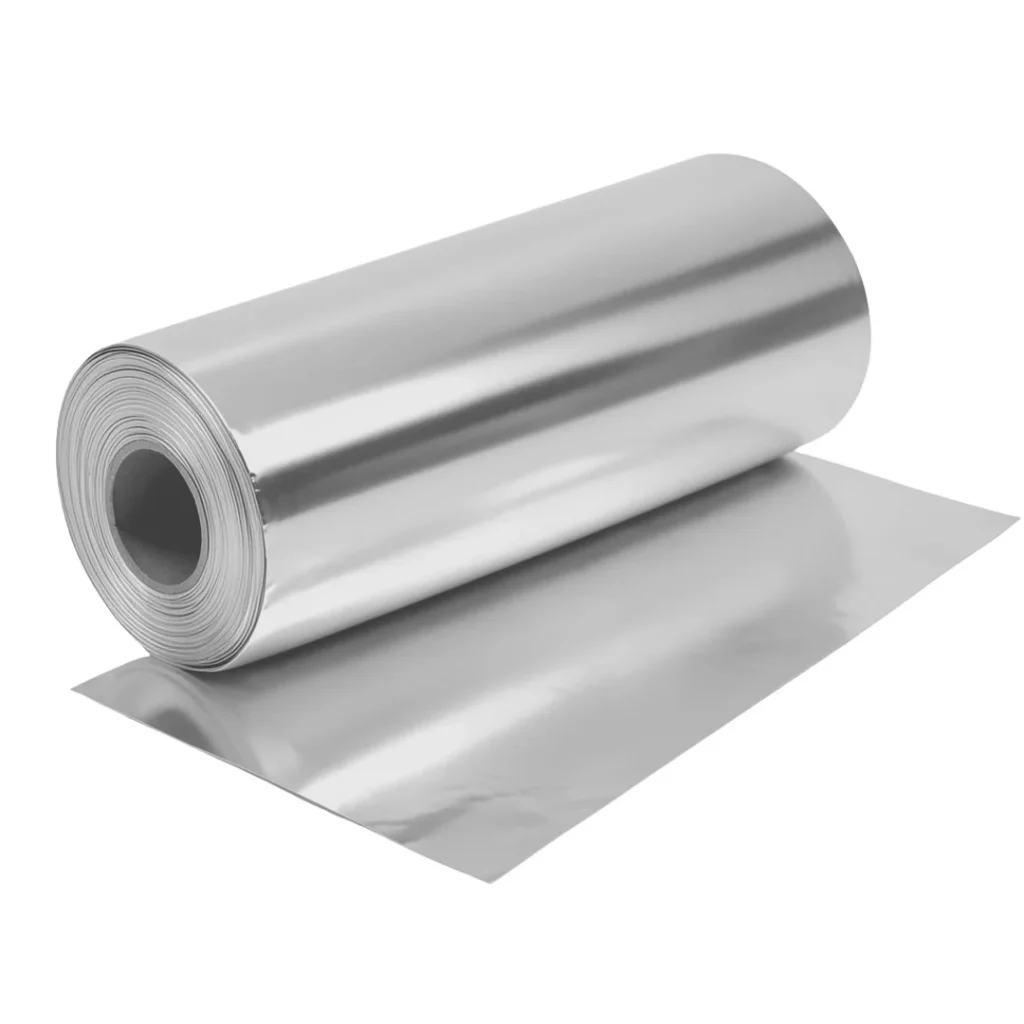
Finishing options to discuss include matte or gloss surfaces, embossing, debossing, foil accents, and spot treatments. Availability and suitability depend on the selected material, box structure, production process, and food-contact requirements.
Keep decorative treatments away from direct food-contact areas unless the complete specification is appropriate for that use. If recyclability is a priority, review the whole package—including windows, coatings, and decorative elements—before choosing a finish or making a disposal claim.
Benefits of Thoughtfully Designed Pastry Packaging
A practical packaging design balances appearance with everyday handling needs.
-
Product presentation: Give individual pastries and mixed assortments a deliberate, organized appearance.
-
Physical protection: Use suitable dimensions, clearance, and inserts to help limit movement and contact with delicate toppings.
-
Brand consistency: Carry your logo, colors, and design language across different product sizes.
-
Packing convenience: Select a structure that suits your team’s assembly and order-packing process.
-
Customer handling: Consider closures, handles, and base support for the way customers carry their purchases.
-
Clear communication: Reserve space for product labels, handling directions, and other required information.
-
Gift appeal: Create a presentation suited to celebrations, corporate orders, and seasonal collections.
Packaging should also match the product’s storage needs. A standard pastry carton should not be assumed to provide an airtight seal, temperature control, or a validated extension of shelf life.
Create a Coordinated Packaging Range
Your pastry boxes can be part of a wider packaging identity rather than a standalone design. Pair them with Custom pie Boxes that share the same typography, color palette, and brand details, while allowing each structure to suit its particular product.
For merchandise, promotional gifts, or other non-food items, Custom Product Boxes can extend that identity into a separate packaging range. Consistency does not require every box to look identical; it means customers can recognize the same business across different formats.
Bring Your Pastry Packaging Ideas to Go Boxery
Create a packaging concept that gives your pastries the space, presentation, and branding they deserve. Whether you are planning everyday takeaway boxes, a windowed assortment, or a special gift collection, start with your product dimensions and the way the package will be used.
Contact Go Boxery to discuss your Custom Pastry Box requirements and request a quote. Share your preferred quantity, internal dimensions, box style, artwork, and material requirements, and ask for confirmation of available options. Before placing an order, review the final specifications and request a sample or prototype where needed to check fit, closure, and presentation.





















Reviews
There are no reviews yet.