


There’s something about beverages that makes it a very difficult packaging problem to tackle: They’re liquid, fragile and sometimes require thermal storage from production to consumption. Even before a bottle reaches the store, just by being cracked they can help to undermine a brand’s image.
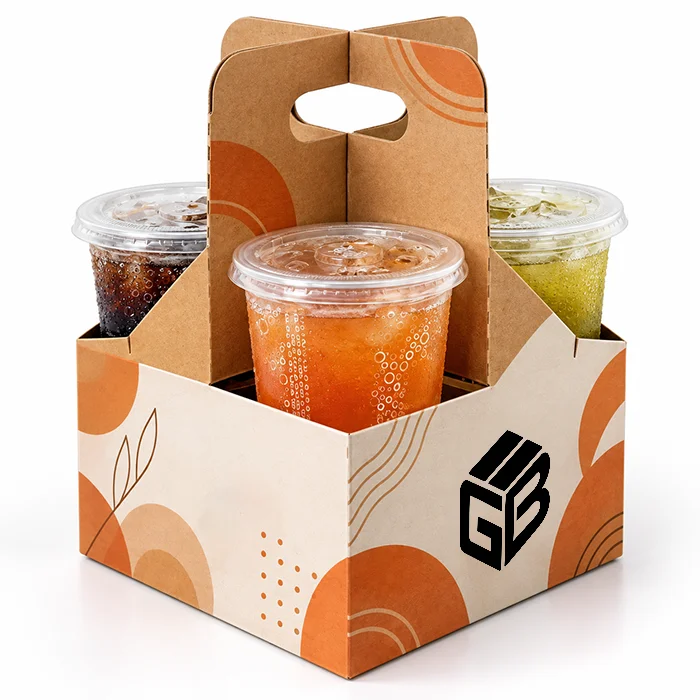
It’s here that the beverage packaging category comes in. Be it bottles, cans or cartons or multi-pack carriers, the structure of every custom beverage packaging is different, and needs to be different, to perform their purpose.Whether it’s bottles, cans or cartons or multi-packs carriers, their structure needs to be unique to provide safety, stability and esthetic.
For some liquid products, the functional requirements for the packaging are a little more than for most solid products but, liquid products have to be treated differently to solid products and shipped differently.
They’re all humble accessories that serve a great deal of purpose – they help to minimize breakage, they add to a more comfortable carrying experience and they help to make unboxing more purposeful instead of just functional. Many brands also use the details to differentiate between a concept package vs a generic package.
The different types of beverage boxes vary in size and shape and, in some cases, the type of box can influence sales, shipping and handling.
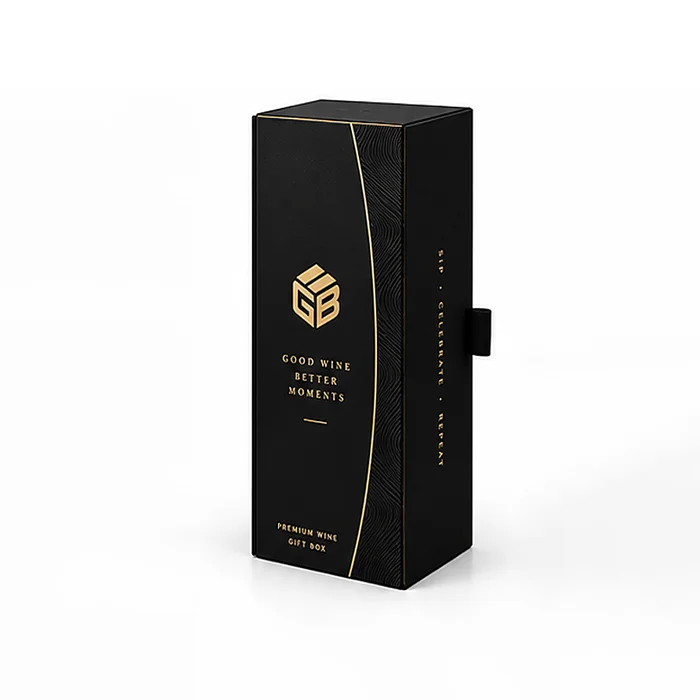
Frequently they are utilized multiple times for a number of functions as in the case of carrying multiple bottles or cans, which is typically seen in a retail store within the context of a six pack or variety pack where convenience outweighs protection in a Custom Wine Gift Boxes pack.
Custom Product Boxes are available in various styles that feature dividers and are printable and engravable.
Bottles don’t touch each other contributed to by internal dividers, bottles will be less likely to bump, crack or shift during transit especially if they are glass bottles.
There are products that are open fronted, and there are products that are stored, no retailer has to spend as much time and man power to pack and repack the products.
You can also choose from a variety of customized beverage boxes for shipping along with their prices.
Reinforced structures that are built specifically to serve the needs of e-commerce and direct to consumer delivery that have multiple handling points, from warehouse to delivery truck to the door-step.
The right material is usually found in the box; the nature of the material, whether glass, cans, or cartons, varies along its journey and needs for structural support differs too.
| Product Type | Recommended Material | Why |
| Glass Bottles | Corrugated cardboard | Extra shock absorption and protection from impact and damage |
| Cans | Lightweight paperboard | The level of support is just right, neither too high nor too low. |
| Cartons | Coated paperboard | Liquid adjacent packaging (LAP) enhanced that is water resistant. |
| Mixed Multi-Packs | Rigid corrugated | Resisting load of Vehicle Weight while moving |
Protection will also dictate material type of products, but if a product type is heavy, other factors will come into play, especially the heavier the product the more the cost of shipping and handling.
Some brands prefer to go the extra mile to increase their corrugated board, and not have to deal with the breakage challenges later in the shipment.
This encompasses all a variety of beverage companies with a slightly different array of packaging priorities based on the attributes of the product and distribution.
The pattern they all share is that all of these relate to packages that perform two functions: preserve the product, and in some way, are highly suggestive towards the brand, whether on shelf or at the front door.
Investing into the most suitable beverage Boxes packaging options will significantly improve several points for any company, regardless of the current scale and ambitions.
While any business that truly understands the importance of product packaging and tries to select the most relevant options for their needs will benefit massively from it, such companies are also more likely to enjoy greater customer loyalty and have fewer issues with product damage.
| Printing Type | Best For |
| Digital printing | Smaller print runs requiring complex designs and rapid production of beverage boxes |
| Offset printing | Larger-scale production of boxes with high precision and identical patterns |
| Flexographic printing | Higher print quantities with simpler designs, usually for cartons and multi-pack beverage boxes |
The most critical difference between digital, flexographic, and offset printing techniques is the print quantity and design complexity, which ultimately determines the best option for the company’s needs. For example, if a new independent beverage brand wants to launch its production with unique packaging, it will benefit massively from the vast flexibility and precision of digital printing.
Full-color and CMYK printing options allow beverage boxes to catch the consumer’s eye on store shelves due to their vibrant patterns and images. Similarly, Pantone or process color printing ensures the brand’s consistent presence across all materials by following the same color scheme. Besides, the comprehensive color palette options allow creating custom color matches for companies that want to follow a particular standard.
While most beverage companies are relatively small and only sell their products in a single retail store, larger organizations also exist and aim to distribute their goods across several locations. Therefore, while the former type of business only needs a small quantity of packaging boxes, the latter will require wholesale packaging solutions.
Fortunately, companies that want to scale their production and sell more beverage boxes in more retail stores can use the substantial cost advantage of larger print runs.
Moreover, the smaller minimum order sizes allow independent producers, such as small-scale breweries, to sustain their growth while keeping their initial print quantities affordable.
The ability to scale print runs is crucial for any organization that wants to reduce the production and material costs of beverage boxes. After choosing the most suitable option in terms of size, weight, and printing, it will be possible for such companies to optimize these expenses and ensure their production’s cost-effectiveness.
Do not hesitate to contact us to request a quote and determine the best Beverages Carriers packaging box option for your needs. We will assist in bringing your vision to life and creating the ideal solution for your product.
The most common materials for custom beverage boxes include corrugated cardboard, paperboard, and special coated paperboard, which are best suited for specific types of products, such as glass or aluminum.
Our custom beverage boxes can be equipped with special dividers to ensure the bottles’ safety during transportation.
All our custom beverage boxes are appropriate for shipping, either within a retail store or directly to the consumer.
We offer competitive pricing for any box orders, including independent small-scale producers interested in entering the market.
All our custom beverage packaging boxes can also be personalized with the customer’s logo or other branding elements using the wide range of printing options.